





Description

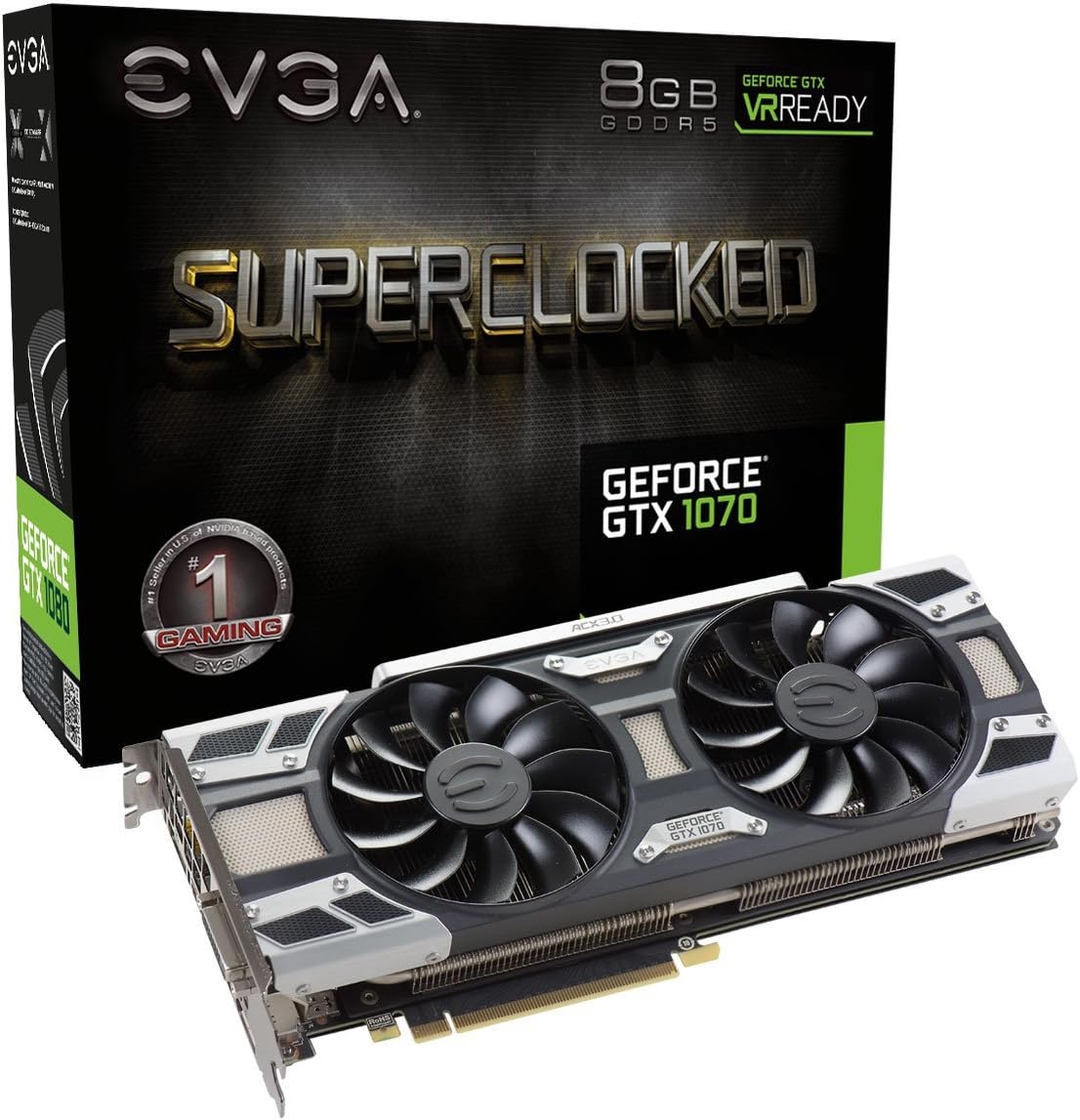
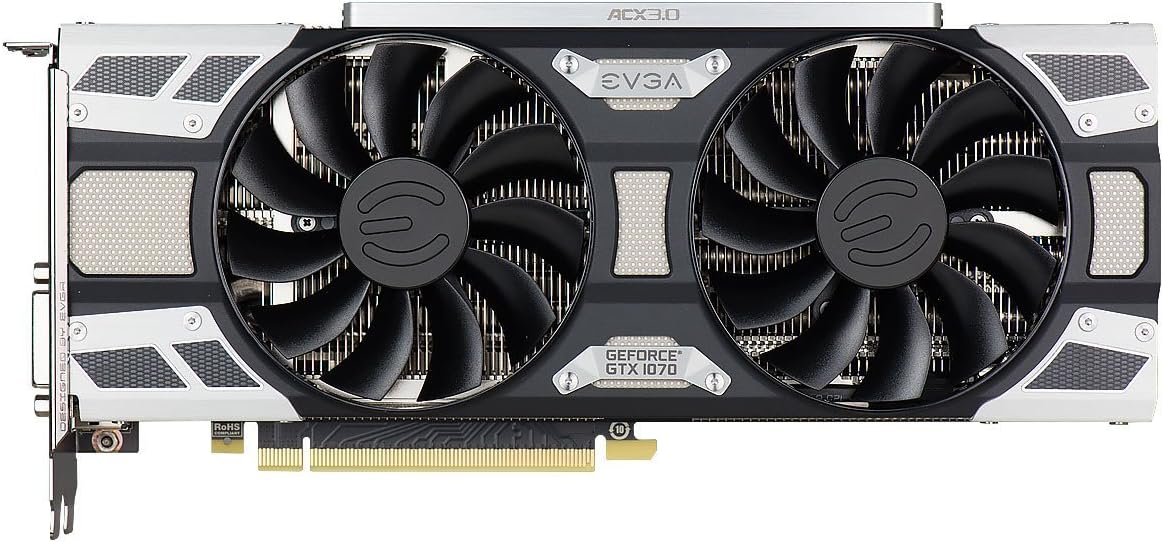
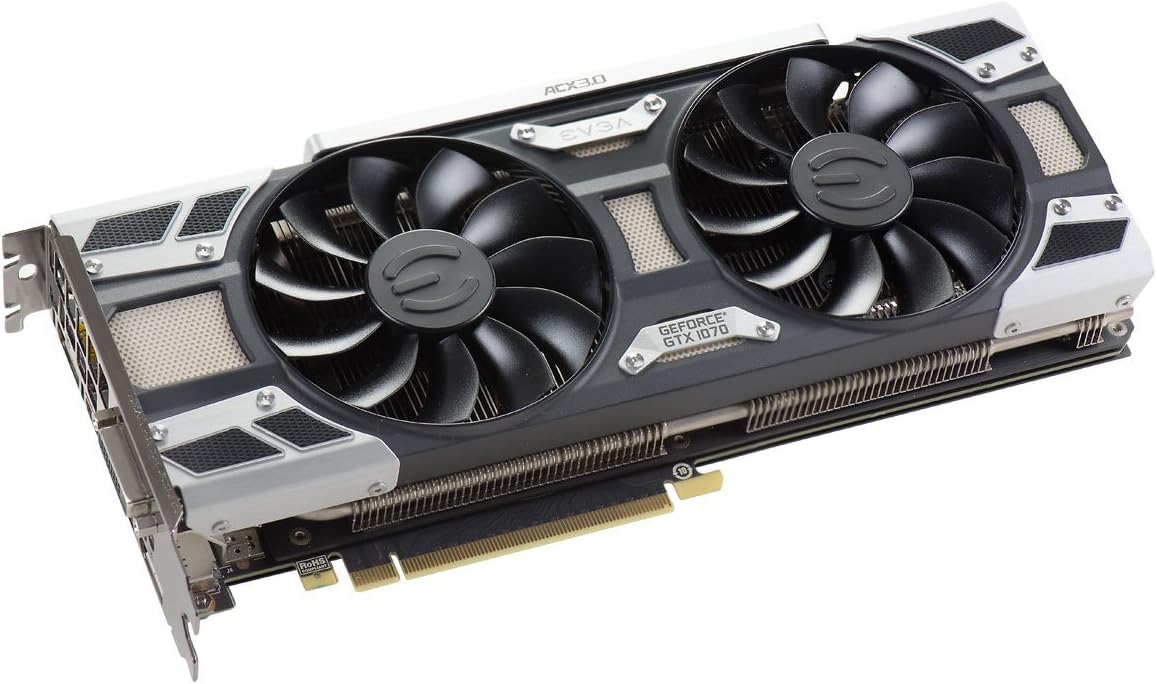
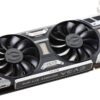
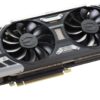
EVGA GeForce GTX 1070 Gaming ACX 3.0 Graphic Cards
The EVGA GeForce GTX 1070 featuring EVGA ACX 3.0 cooling is here. This new graphics card features NVIDIA’s new “Pascal” graphics processor. This breakthrough GPU delivers innovative new gaming technologies, and immersive, next-gen VR.
These cards also feature EVGA ACX 3.0 cooling technology. EVGA ACX 3.0 once again brings new and exciting features to the EVGA ACX cooling technology. SHP 3.0 gives increased heatpipes and copper contact area for cooler operation, and optimized fan curve for even quieter gaming. Of course, ACX 3.0 coolers also feature optimized swept fan blades, double ball bearings and an extreme low power motor, delivering more air flow with less power, unlocking additional power for the GPU. Select EVGA ACX 3.0 models will even feature a 10CM fan and RGB LED, allowing complete control over the color from EVGA Precision XOC.
EVGA GTX 1070 Overview
Based on NVIDIA’s Pascal architecture, the EVGA GeForce GTX 1070 Founders Edition Graphics Card provides major improvements in performance, memory bandwidth, and power efficiency over its predecessor, the high-performance Maxwell architecture. It also introduces innovative graphics features and technologies that redefine the computer as the platform for playing AAA games and taking full advantage of virtual reality via NVIDIA VRWorks.
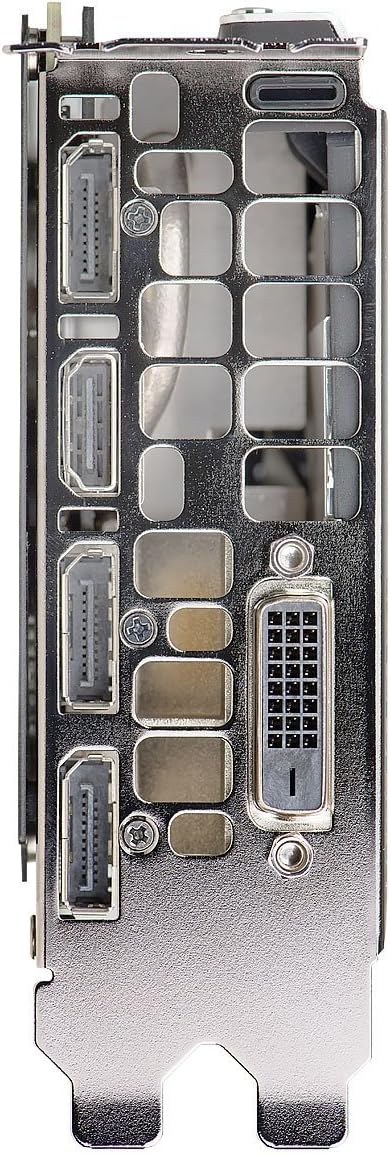
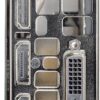
The front panel of the card features a variety of outputs. There are three DisplayPort 1.4 outputs in addition to an HDMI 2.0b output and a DVI-D Dual-Link output. The GTX 1070 is not just about high-resolution gaming. Computationally intensive programs can utilize the GPU’s 1920 cores to accelerate tasks using CUDA or other APIs.
For cooling, EVGA implemented NVIDIA’s blower-style cooler with vapor chamber cooling technology. This cooling configuration is good for SLI or other configurations where space between computer components can be a concern.
VRWorks Graphics includes a simultaneous multi-projection capability that renders natively to the unique dimensions of VR displays instead of traditional 2D monitors. It also renders geometry for the left and right eyes simultaneously in a single pass.
VRWorks Audio uses the NVIDIA OptiX ray-tracing engine to trace the path of sounds across an environment in real-time, fully reflecting the size, shape, and material of the virtual world.
NVIDIA PhysX for VR detects when a hand controller interacts with a virtual object, and enables the game engine to provide a physically accurate visual and haptic response. It also models the physical behavior of the virtual world around the user so that all interactions — whether an explosion or a hand splashing through water — behave as if in the real world.
With a compatible motherboard and a connecting bracket, two or more NVIDIA GPUs of the same model can combine processing power using NVIDIA’s Scalable Link Interface (SLI). How the cards work together can be customized to suit your preferences. Alternate frame rendering has each alternating card prepare the next frame, essentially multiplying the capabilities of a single card’s maximum capable frame rate output. Each card in the configuration can also be used to improve anti-aliasing by being able to process an image in parallel with the other cards before filtering out jagged edges.
NVIDIA’s SLI HB bridge doubles the available transfer bandwidth compared to the NVIDIA Maxwell architecture. Delivering smooth gameplay, it’s an effective way to enjoy surround gaming and it’s only compatible with the GeForce GTX 1080 and 1070 graphics cards.
Note: The benefits of SLI will vary based on component configuration.


Reviews
There are no reviews yet.